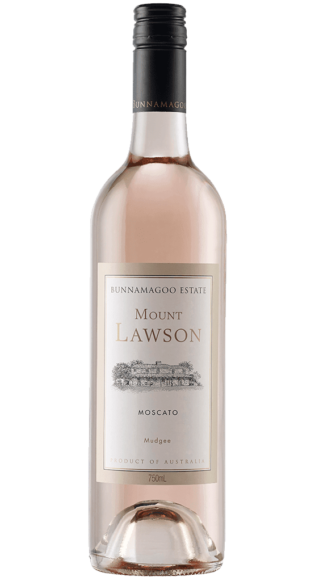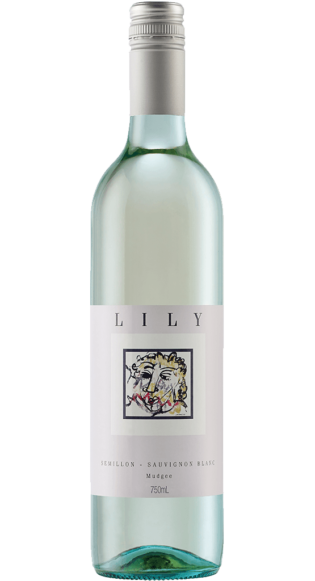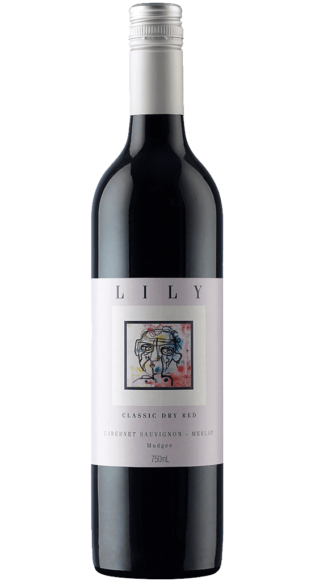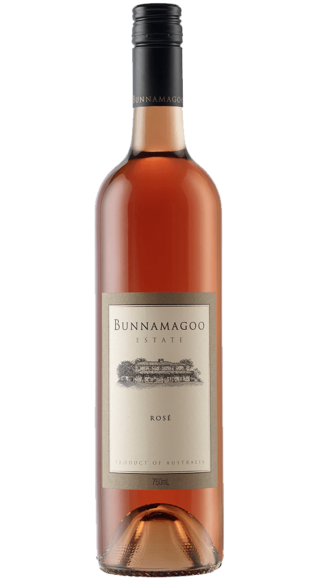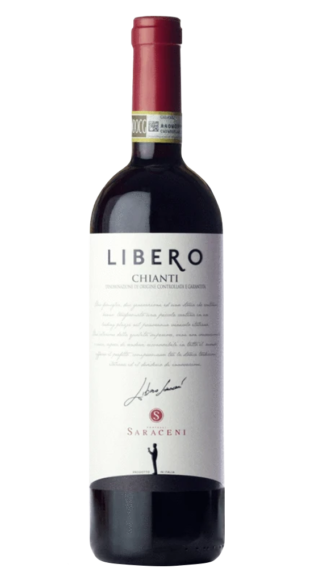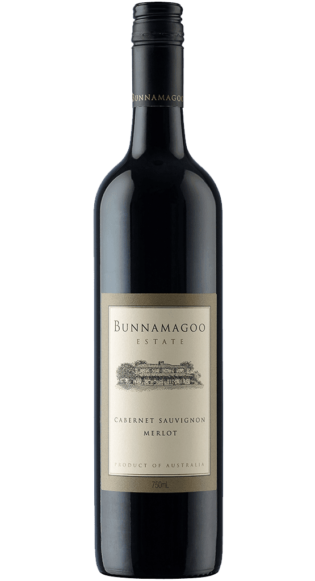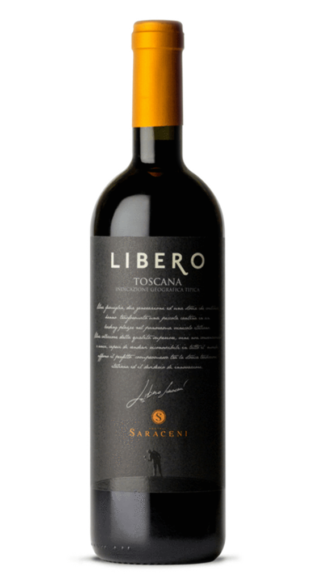
Choosing the right wine can be a delightful journey, one that transforms a simple meal into a sensory experience or elevates a special occasion to memorable heights. However, with countless grape varieties, regions, and styles to consider, navigating the world of wine can seem overwhelming. In this guide, we’ll uncork the art of choosing the perfect wine, offering insights to help you confidently select a bottle that suits your taste and occasion.
Know Your Preferences:
Understanding your own taste preferences is the first step in choosing the perfect wine. Do you prefer red or white? Dry or sweet? Light and refreshing or bold and robust? Take note of the flavors you enjoy in other foods and beverages, as this can guide you in selecting wines with similar characteristics.
Consider the Occasion:
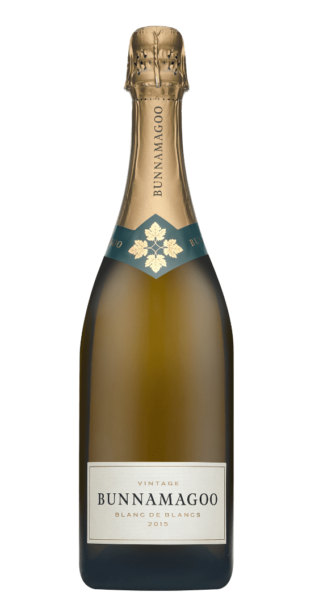
The purpose of the wine – whether it’s for a casual evening at home, a celebration, or a formal dinner party – should influence your choice. Sparkling wines like Champagne or Prosecco are perfect for celebrations, while a well-chosen red or white may be more suitable for a quiet dinner.
Pairing with Food:
Pairing wine with food is an art that can significantly enhance both the culinary and wine-tasting experiences. Generally, red wines complement hearty dishes like red meats, while whites pair well with lighter fare such as seafood and poultry. Consider the flavors and intensity of your meal when choosing a wine to create a harmonious balance.
Explore Different Varietals:
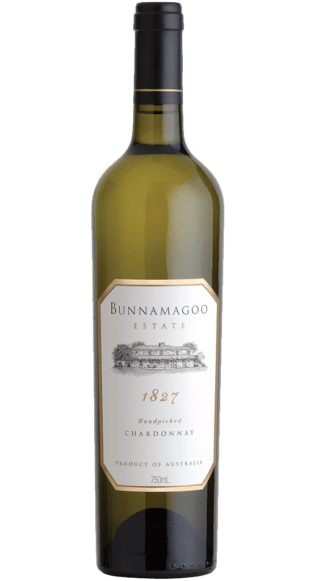
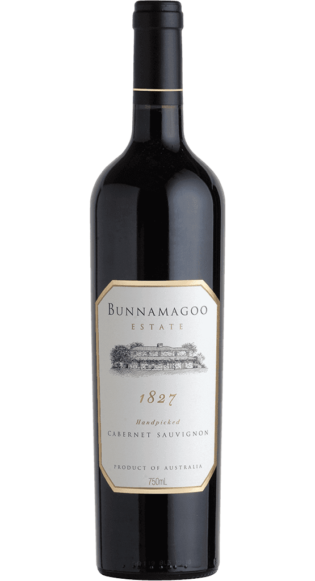
Wine comes in a multitude of grape varieties, each offering a unique flavor profile. Explore different varietals to expand your palate. For red wines, consider Cabernet Sauvignon, Merlot, Pinot Noir, or Syrah. For whites, try Chardonnay, Sauvignon Blanc, Riesling, or Pinot Grigio.
Understand Wine Regions:
Wine regions play a crucial role in determining a wine’s characteristics. Wines from different regions can have distinct flavors due to variations in climate, soil, and winemaking techniques. For example, wines from Napa Valley in California are known for their boldness, while those from Burgundy in France may exhibit more earthy and nuanced qualities.
Read Labels:
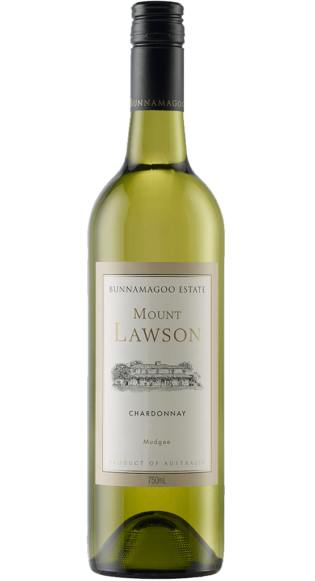
Wine labels can provide valuable information about the wine, including its grape variety, region of origin, and sometimes tasting notes. Familiarize yourself with common terms and look for information that aligns with your preferences.
Seek Recommendations:
Don’t hesitate to seek recommendations from knowledgeable sources, such as wine shop staff, friends, or online reviews. Recommendations can be a great starting point for discovering new and exciting wines that align with your taste preferences.
Conclusion:
Choosing the perfect wine is an art that combines personal preferences, occasion, and a willingness to explore. Embrace the journey of discovering different varietals, regions, and styles to find wines that resonate with your palate. Whether you’re a seasoned connoisseur or a novice enthusiast, the world of wine offers a vast and rewarding landscape waiting to be explored. Cheers to the joy of selecting and savoring the perfect bottle!

Scott Artis
@scottartis • More Posts by Scott
Conservationist and entrepreneur - founder of Urban Bird Foundation and co-Owner of Short Tales Vineyard. Lives with his wife Heather and their 4 German Shorthaired Pointers in Napa.